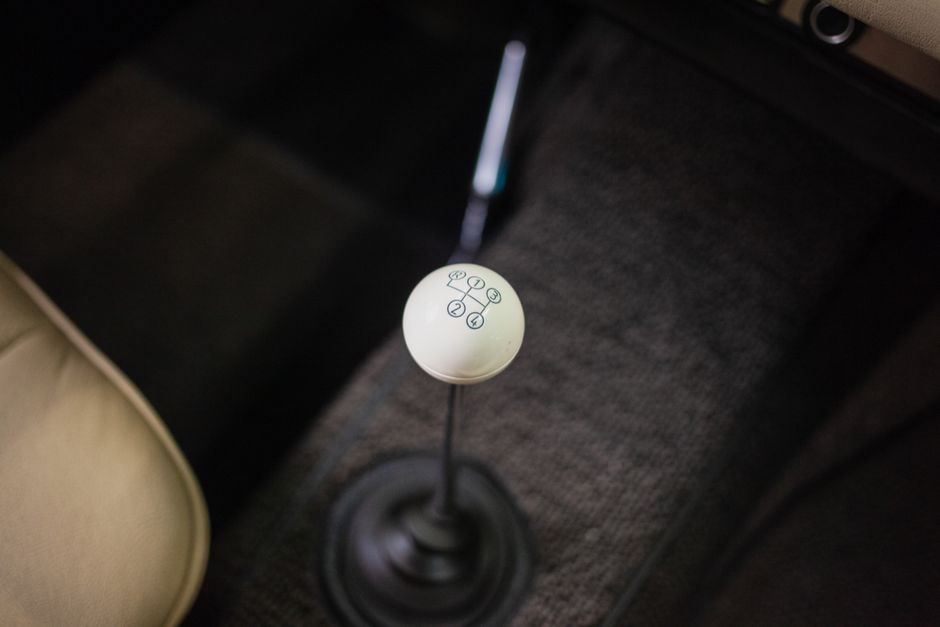
Learning to drive a manual transmission offers a unique connection with the vehicle, fostering engagement and control often lost in modern automatics. Despite declining availability,
the skill remains valuable, providing a deeper understanding of automotive mechanics and a more rewarding driving experience. Enthusiasts cherish the involvement, while practical benefits like potential fuel savings and, sometimes, lower purchase prices still exist.
Why Choose a Manual Transmission?
Choosing a manual transmission transcends mere practicality; it’s about embracing a driving philosophy. The heightened engagement demands focused attention, creating a more immersive and satisfying experience behind the wheel. For enthusiasts, mastering a manual fosters a deeper connection with the car, understanding its mechanics and responding intuitively to road conditions.
Beyond the enjoyment factor, learning manual can offer tangible benefits. While not always guaranteed, some manual vehicles achieve slightly better fuel economy due to direct power transfer. Furthermore, a manual transmission often translates to a lower initial purchase price compared to its automatic counterpart.
However, the primary allure remains the control. You dictate gear selection, optimizing performance for specific situations – whether navigating winding roads or simply enjoying a spirited drive. It’s a skill that, while fading, continues to be celebrated by those who appreciate the art of driving.
The Declining Availability of Manual Cars
The automotive landscape is shifting dramatically, and the manual transmission is increasingly becoming a rarity. Manufacturers are responding to consumer demand, with automatic transmissions – and increasingly, more advanced technologies like CVTs and DCTs – dominating new car sales. This trend is driven by a perception of ease and convenience, particularly in congested urban environments.
Each year, fewer and fewer models are offered with a manual option, and even those that remain often represent a small fraction of total sales. This dwindling availability presents a challenge for aspiring manual drivers, limiting their choices when purchasing a vehicle. The shift is also impacting driving schools, with fewer instructors and cars equipped for manual lessons.
Despite this decline, a dedicated community of enthusiasts continues to champion the manual transmission, recognizing its unique benefits and preserving the skill for future generations.

Top Cars for Learning Manual – Budget-Friendly Options
For those seeking affordable practice, older Honda Civics, Mazda Miatas, and Volkswagen Jettas/Golfs stand out as excellent choices, offering forgiving clutches and predictable gearboxes.
Honda Civic (Older Generations)
The Honda Civic, particularly models from the late 90s through the early 2000s, consistently appears on lists of ideal learner cars, and for good reason. These generations boast a reputation for reliability, making maintenance less of a concern while mastering the fundamentals of a manual transmission. The Civic’s clutch pedal is generally considered light and forgiving, reducing leg fatigue during initial practice sessions.
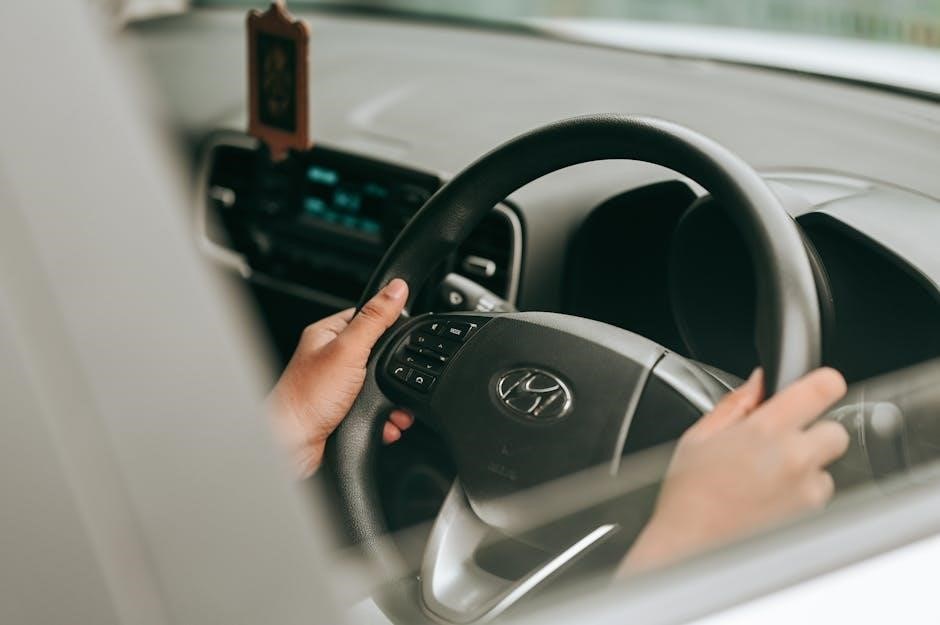
Furthermore, the gearbox is known for its clear gate and relatively straightforward shifting pattern, allowing new drivers to quickly develop muscle memory. Parts availability is excellent and affordable, a significant advantage for anyone anticipating minor wear and tear during the learning process. The Civic’s compact size also contributes to a less intimidating experience for beginners navigating traffic and parking maneuvers. It’s a practical, dependable, and readily available option for anyone eager to learn the art of driving stick.
Mazda Miata (MX-5) – A Driver’s Favorite
The Mazda Miata (MX-5) is frequently lauded as a superb choice for learning manual, appealing to driving enthusiasts and beginners alike. Its lightweight design and responsive handling provide immediate feedback, enhancing the learning experience and fostering a deeper connection with the car. While some might perceive it as a sports car best left to experienced drivers, the Miata’s forgiving nature makes it surprisingly accessible.
The clutch is well-weighted, not overly heavy, and the short-throw shifter offers precise and satisfying gear changes. This encourages proper technique and builds confidence. The Miata’s compact dimensions also simplify maneuvering in tight spaces. It’s a car that rewards skillful driving, making the effort of learning manual genuinely enjoyable. Plus, its enduring popularity ensures a healthy used market and readily available parts.
Volkswagen Jetta/Golf/GTI – Practical and Engaging
Volkswagen’s Jetta, Golf, and GTI models consistently appear on lists of ideal manual learning cars, offering a blend of practicality and driving engagement. These vehicles provide a more everyday experience compared to sports cars, making them suitable for learners who intend to use a manual transmission for daily commuting. They strike a good balance between forgiving characteristics and a rewarding driving feel.
The clutch action is generally smooth and predictable, and the gearboxes are known for their precision. Older generations, in particular, often feature a more mechanical feel, aiding in understanding the fundamentals of manual driving. The GTI, while sportier, still maintains a level of usability that makes it a viable option. Their widespread availability and relatively affordable prices further enhance their appeal as learning vehicles.

Mid-Range Options: Balancing Cost and Enjoyment
Stepping up in price, these vehicles offer a compelling mix of affordability and driving pleasure, providing a more robust learning platform without breaking the bank.

Jeep Wrangler/Gladiator – Rugged and Forgiving
The Jeep Wrangler and Gladiator present surprisingly good options for learning manual, largely due to their forgiving nature and robust components. Their relatively low gearing and ample torque make stalling less frequent and less punishing, building confidence in new drivers. The clutch pedal isn’t overly sensitive, offering a wider margin for error during the initial learning phase.
Furthermore, the upright driving position provides excellent visibility, crucial for coordinating clutch and gear changes. While not known for sporty handling, the Jeep’s focus on off-road capability means a slightly clunky shift isn’t as noticeable or detrimental to the overall experience. These vehicles are durable and readily available on the used market, making them a practical choice for those wanting to master the art of the manual transmission.
Ford Mustang (Older Models) – Classic Muscle
Older Ford Mustangs, particularly those from the late 80s to early 2000s, offer a compelling blend of affordability and engaging manual transmissions, making them excellent learning vehicles. These Mustangs typically feature a straightforward, mechanically simple gearbox, allowing new drivers to focus on the fundamentals of clutch control and gear selection without overly complex systems.
The readily available parts and a large enthusiast community contribute to easier maintenance and repair, a bonus for learners potentially experiencing increased wear and tear. While possessing rear-wheel drive requires extra caution, the Mustang’s forgiving power delivery and relatively predictable handling characteristics make it manageable for beginners. Plus, the iconic status and enjoyable driving experience add a significant layer of fun to the learning process.

Characteristics of a Good Learning Car
Ideal learning cars possess a light clutch, predictable gearbox, and excellent visibility, minimizing driver frustration and maximizing the ability to master manual driving techniques.
Light Clutch Pedal
A light clutch pedal is arguably the most crucial characteristic for a beginner learning manual. Excessive force required to depress the clutch quickly leads to fatigue, making smooth starts and gear changes significantly harder to achieve. A lighter pedal allows for quicker engagement and disengagement, providing a more forgiving learning curve.
This is especially important during the initial stages when coordinating clutch release with throttle input feels unnatural. Cars with excessively heavy clutches demand more physical strength and precision, potentially discouraging new drivers. The goal is to build muscle memory without battling a strenuous pedal.
Furthermore, a lighter clutch reduces the likelihood of stalling, a common frustration for learners. It allows for more subtle adjustments and a greater sense of control, ultimately fostering confidence and accelerating the learning process. Prioritizing a car with a light clutch is a smart move for anyone embarking on the journey of mastering a manual transmission.
Predictable Gearbox
A predictable gearbox is paramount when selecting a vehicle for learning manual transmission. Vague or notchy shifting, where gear engagement feels uncertain or requires excessive force, introduces unnecessary complexity for a novice driver. A smooth, well-defined gate pattern allows learners to confidently locate each gear without second-guessing.
Consistent gear ratios are also vital; abrupt changes in gearing can disrupt the learning process and make smooth transitions difficult. The ideal gearbox provides clear feedback, signaling when a gear is fully engaged, minimizing grinding or missed shifts.
This predictability builds muscle memory and allows the driver to focus on coordinating clutch and throttle inputs, rather than wrestling with the gear selector. A forgiving and intuitive gearbox significantly reduces frustration and accelerates the development of essential manual driving skills.
Good Visibility
Excellent visibility is a frequently overlooked, yet crucial, characteristic in a good learning car. When mastering the coordination of clutch, throttle, and gear changes, drivers need a clear view of their surroundings. This is especially important during low-speed maneuvers, parking, and navigating traffic.
Large windows, minimal blind spots, and a relatively upright seating position contribute to enhanced awareness. A car with poor visibility forces the driver to contort or strain, diverting attention from the core task of learning manual transmission.
Being able to easily see reference points – curbs, lane markings, other vehicles – builds confidence and reduces anxiety. A clear line of sight minimizes the risk of accidental stalls or collisions during the learning process, fostering a safer and more positive experience.

Common Mistakes When Learning Manual
New drivers often struggle with stalling, rough shifts, and “riding the clutch,” hindering progress. Patience and consistent practice are vital to overcome these initial hurdles effectively.
Stalling Frequently
Stalling is arguably the most common frustration for new manual drivers, and it’s perfectly normal! It happens when the engine doesn’t receive enough throttle to maintain its speed as the clutch engages. Don’t be discouraged; every driver stalls when learning. The key is to react calmly, quickly depressing the clutch and restarting the engine.
Often, stalling occurs when releasing the clutch too quickly or not giving enough gas simultaneously. Practice finding the “friction point” – where the clutch begins to engage – and coordinating smooth throttle inputs. A forgiving engine, found in models like older Honda Civics or VW Jettas, can make this learning process less stressful. Remember, consistent practice builds muscle memory, reducing stalls over time and boosting confidence behind the wheel.
Rough Gear Changes
Rough gear changes stem from a lack of synchronization between the engine speed, clutch engagement, and shifter movement. New drivers often rush the process, leading to grinding noises and jerky transitions. The goal is to “match” engine RPM to the appropriate speed for the next gear. This requires practice and a feel for the car.
Cars with a more forgiving, predictable gearbox – like those found in older Mazda Miatas or VW Golfs – can significantly ease this learning curve. Fully depressing the clutch before shifting, and smoothly releasing it after selecting the next gear, are crucial. Avoid forcing the shifter; a proper gear change should feel relatively effortless. Patience and deliberate practice will transform those clunky shifts into smooth, seamless transitions.
Riding the Clutch
“Riding the clutch” refers to partially depressing the clutch pedal for extended periods, typically while attempting to control speed at low velocities. This creates excessive wear on the clutch disc and release bearing, leading to premature failure. It’s a common habit among new manual drivers seeking a smoother experience, but it’s ultimately detrimental to the vehicle.
Vehicles with a lighter clutch pedal, such as many older Honda Civics, can inadvertently encourage this behavior. Instead, learn to use controlled bursts of the clutch and throttle to maintain speed. Mastering hill starts without rolling backward also minimizes the temptation to ride the clutch. A forgiving gearbox, like those in VW models, can help smooth transitions and reduce the need for prolonged clutch engagement.

Resources for Learning Manual Transmission
Numerous online tutorials and videos demonstrate proper technique, while driving schools increasingly offer manual transmission lessons for those seeking professional guidance and instruction.
Online Tutorials and Videos
The internet is brimming with resources for aspiring manual drivers. YouTube channels dedicated to automotive education offer comprehensive guides, covering everything from clutch control and gear selection to hill starts and troubleshooting common issues. These visual aids are incredibly helpful, allowing learners to observe proper technique repeatedly.

Websites and forums dedicated to car enthusiasts often host detailed articles and discussions about learning manual, providing valuable insights and answering frequently asked questions. Many tutorials specifically address common mistakes, like stalling or rough shifting, offering practical solutions.
Furthermore, some manufacturers even provide instructional videos for their vehicles, demonstrating the nuances of their specific manual transmissions. Utilizing these free and readily available resources can significantly accelerate the learning process and build confidence behind the wheel.
Driving Schools Offering Manual Lessons
While self-teaching is possible, professional instruction from a driving school specializing in manual transmissions offers significant advantages. Experienced instructors can provide personalized guidance, correcting bad habits before they become ingrained and offering tailored advice based on individual learning styles.
These schools typically utilize vehicles specifically chosen for their forgiving nature, often older Honda Civics or similar models known for their predictable gearboxes and light clutch pedals. This controlled environment allows learners to focus on mastering the fundamentals without the added pressure of damaging a personal vehicle.
Investing in a few lessons with a qualified instructor can dramatically shorten the learning curve, building confidence and ensuring a safe and enjoyable transition to driving a manual transmission vehicle.