
Understanding Bra Cup Size: A Comprehensive Guide
Navigating bra sizing can be complex, with letters and numbers representing volume and band size, impacting comfort and support․ Online tools and professional fittings aid in finding the ideal fit, crucial for breast health and posture․
What is Bra Cup Size?
Bra cup size fundamentally represents the volume of a woman’s breast relative to her band size․ It’s denoted by letters – A, B, C, D, and beyond – indicating the difference in measurement between the bust circumference and the underbust circumference․ This difference directly translates to how much space is needed within the bra cup to comfortably and fully contain the breast tissue․
Understanding that cup size isn’t a fixed measurement is vital; a 34C isn’t the same volume as a 32C․ The alphabetical progression signifies incremental increases in volume․ Many women struggle with ill-fitting bras, often unaware of their true size, leading to discomfort and potential health concerns․ Accurate cup size determination is paramount for proper support and a flattering silhouette․
The Relationship Between Cup Size and Band Size
Cup size and band size are inextricably linked, forming a complete bra size․ A change in one necessitates a corresponding adjustment in the other to maintain the correct fit․ The band provides the majority of the support (typically 90%), while the cup accommodates breast volume․
Simply increasing cup size without adjusting the band often results in a bra that rides up the back and lacks support․ Conversely, tightening the band without altering the cup can cause spillage or discomfort․ Sister sizes – variations in band and cup – offer alternatives for achieving a better fit․ Finding the harmonious balance between these two elements is crucial for optimal comfort and support․
How Cup Size is Determined: Volume and Shape
Cup size isn’t solely about breast volume; breast shape significantly influences how a cup fits․ Volume is the primary determinant, calculated by the difference between bust and band measurements․ However, breast shapes – round, teardrop, or asymmetrical – impact how that volume is distributed within the cup․
Bras are designed with varying cup shapes to accommodate these differences․ Full coverage bras suit rounder breasts, while balconette styles enhance teardrop shapes․ Understanding your breast shape is vital for selecting a bra that provides full enclosure and prevents gapping or spillage․ A proper fit considers both volume and shape for optimal comfort and support․

Measuring for Your Bra Cup Size
Accurate measurement is key! Use a flexible measuring tape to determine your bust and band size, following a step-by-step guide for precise results and a comfortable fit․
Step-by-Step Guide to Measuring Bust Size
Begin by standing naturally with your arms relaxed at your sides․ Ensure the measuring tape is level all the way around your back and across the fullest part of your bust․ Don’t pull the tape too tightly; it should be snug but comfortable․
Record this measurement as your bust size․ For the most accurate reading, it’s helpful to have someone else assist you․ Repeat the measurement a couple of times to confirm consistency․
Wear an unpadded bra during measurement for a true representation of your natural shape․ Avoid push-up bras or heavily contoured styles, as these can distort the results; Accurate bust measurement is the foundation for determining your correct cup size and overall bra fit, leading to enhanced comfort and support․
Calculating Your Cup Size: The Difference Method
To determine your cup size, subtract your band size (measured snugly around your torso) from your bust size (measured fullest part of your breasts)․ This difference dictates your cup size․ A difference of 1 inch typically corresponds to an A cup, 2 inches to a B cup, 3 inches to a C cup, and so on․
For example, if your bust measurement is 36 inches and your band size is 32 inches, the difference is 4 inches, indicating a D cup․ This method provides a starting point, but individual breast shapes and bra styles can influence the ideal fit․
Remember, this is a guideline; professional fittings are recommended for precise results․
Understanding Different Cup Size Systems (US, UK, EU)
Bra sizing isn’t universal; systems vary across regions․ US sizes are commonly used, but UK and European (EU) systems differ․ A UK cup size is generally one size larger than its US equivalent – a 34C in the US might be a 34D in the UK․
EU sizing adds further complexity, often using numerical values instead of letters․ Converting between systems requires careful consideration․ A 34C US size could translate to a 75C in Europe․
When shopping internationally, always consult a size conversion chart to ensure an accurate fit, as discrepancies can significantly impact comfort and support․

Decoding Bra Cup Size Designations
Cup sizes utilize the alphabet, starting with A and progressing upwards (B, C, D, DD/E, DDD/F)․ Incremental increases signify greater volume, impacting fit and support levels․
The Alphabetical Cup Sizes: A, B, C, D, DD/E, DDD/F, and Beyond

Bra cup sizes are designated by letters, beginning with ‘A’ and extending through the alphabet to indicate increasing volume․ Each letter represents roughly a one-inch difference in breast volume relative to the band size․ Common sizes include A, B, C, and D, but the scale continues with DD (often also denoted as E), DDD (or F), and beyond – G, H, I, J, and even larger sizes are available to accommodate diverse body shapes․
It’s crucial to remember that a ‘C’ cup in a 32 band will fit differently than a ‘C’ cup in a 36 band․ The alphabetical progression signifies volume within a specific band size․ Understanding this distinction is key to achieving a comfortable and supportive fit․ Many women find they require a size beyond a ‘D’ cup, and specialized retailers cater to these needs, offering a wider range of sizes and styles․
What Do Incremental Cup Sizes Mean? (e․g․, 32C vs․ 32D)
Moving up one cup size, such as from a 32C to a 32D, doesn’t simply mean a larger overall bra size; it signifies an increase in breast volume while maintaining the same band size․ This incremental change typically accommodates approximately one inch of additional breast tissue․ Therefore, a 32D will have a slightly larger cup than a 32C, designed to fully contain and support the breast without spillage or gaping․
Understanding this difference is vital for achieving a proper fit․ Often, women mistakenly believe they need to increase their band size when, in reality, a larger cup size within the existing band provides the necessary support and comfort․ Incremental changes ensure a personalized fit, addressing individual breast shapes and volumes effectively․
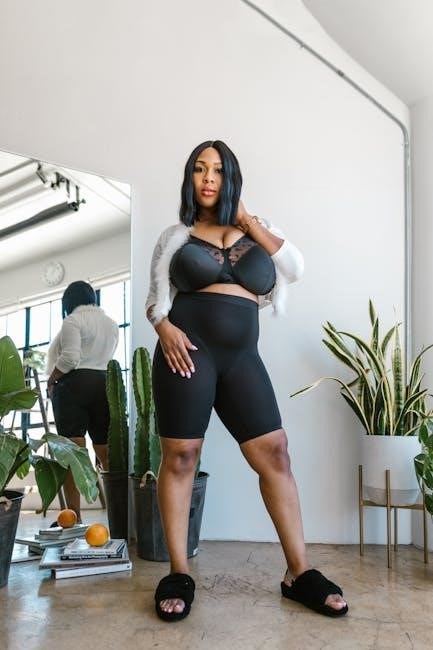
Sister Sizes: Finding Alternatives for a Better Fit
Sister sizes are bra sizes that offer a similar fit, despite having different band and cup combinations․ For example, a 32D has the same cup volume as a 34C or a 30E․ This concept is invaluable when your ideal size isn’t readily available or feels uncomfortable․ Adjusting the band size while altering the cup size maintains consistent volume, offering alternative options․
Utilizing sister sizes can resolve common fit issues like band riding up or cup gaping․ If a band feels too tight, try a larger band size with a smaller cup․ Conversely, if the band feels loose, opt for a smaller band with a larger cup․ Exploring sister sizes expands your choices and increases the likelihood of finding a truly comfortable and supportive bra․

Common Bra Fit Issues Related to Cup Size
Incorrect cup size often manifests as spillage, gaping, or a conical breast shape, impacting comfort and support․ Proper fit is essential for breast health and posture․
Spillage: When Your Breasts Overflow the Cup
Spillage occurs when breast tissue extends beyond the confines of the bra cup, creating discomfort and potentially impacting support․ This common fit issue often indicates a cup size that is too small for the wearer’s breast volume․ It’s a clear signal that the cup isn’t fully containing the breast, leading to an unflattering appearance and potential skin irritation under the arms or along the cleavage․
Identifying spillage is relatively straightforward: look for bulging or compression of breast tissue above or to the sides of the cup․ Addressing this requires either increasing the cup size (e․g․, from a C to a D) or, in some cases, adjusting both the cup and band size for a more comprehensive fit․ Ignoring spillage can lead to discomfort, poor posture, and even long-term stretching of breast tissue․
Gapping: When the Cup Doesn’t Fully Enclose Your Breast
Gapping manifests as empty space within the bra cup, particularly at the top or sides, indicating the cup is too large or the wrong shape for the breast․ Unlike spillage, gapping doesn’t involve overflow; instead, the breast doesn’t fill the cup’s volume adequately․ This results in a less secure fit and diminished support, potentially causing the bra to shift or ride up throughout the day․
Identifying gapping is simple: observe if there’s noticeable space between your breast and the cup’s fabric․ Solutions include decreasing the cup size (e․g․, from a D to a C), trying a different bra style with a more suitable cup shape, or tightening the band to draw the breast forward․ Correcting gapping improves both comfort and the bra’s overall effectiveness․
Conical Breasts: Identifying and Addressing Cup Shape Issues
Conical breasts, also known as “torpedo” or “cone-shaped” breasts, feature a fuller bottom half and taper towards the top, often experiencing gapping at the upper cup․ Identifying this shape is crucial for selecting bras that provide optimal support and a flattering silhouette․ Standard cup shapes may not fully accommodate this breast form, leading to discomfort and a poor fit․
Addressing conical breast shape requires specific bra features: look for bras with wider-set wires, plunge necklines, or those designed with a more projected shape․ These styles help lift and support the fuller bottom portion while minimizing gapping at the top․ A professional bra fitting is highly recommended to determine the best cup style and size for a comfortable, secure fit․
Bra Styles and How They Affect Cup Size
Different bra styles—full coverage, balconette, and push-up—alter breast projection and shape, influencing perceived and actual cup size needs for optimal comfort and support․
Full Coverage Bras and Cup Size
Full coverage bras are designed to fully enclose the breast, providing maximum support and minimizing cleavage․ When selecting a cup size for a full coverage bra, it’s essential to ensure complete containment without spillage or gaping․ Because these bras offer substantial coverage, they often require a slightly different cup size compared to more revealing styles․
Women may find they need to go up a cup size in a full coverage bra to accommodate the entire breast volume․ This is particularly true for individuals with fuller breasts or those seeking enhanced support․ Conversely, if you experience significant gaping, a smaller cup size might be necessary․ Proper band fit is also crucial; a snug band provides the majority of the support, allowing the cups to focus on shaping and containment․ Remember, a professional fitting can pinpoint the ideal cup and band combination for your unique shape and size within a full coverage style․
Balconette Bras and Cup Size
Balconette bras offer a more open neckline and lift, creating a rounded, uplifted shape․ Determining the correct cup size for a balconette style requires careful consideration, as the cut differs significantly from full coverage options․ These bras typically offer less coverage, focusing on lifting and shaping the upper portion of the breast․
Many women find they need a smaller cup size in a balconette compared to their usual size, as the angled cups naturally create more projection․ It’s vital to ensure the nipples are centered within the cup and that the underwire fully encapsulates the breast tissue․ Gapping at the top of the cup is a common issue, indicating a need for a different size or style․ A snug band remains essential for support, working in tandem with the cup shape to deliver a comfortable and flattering fit․ Professional fitting is highly recommended for optimal results․
Push-Up Bras and Cup Size
Push-up bras utilize padding to enhance cleavage and lift the breasts, creating a fuller appearance․ Selecting the correct cup size in a push-up bra is crucial for achieving the desired effect without compromising comfort or support․ The padding itself alters the volume within the cup, potentially requiring a different size than your everyday bra․
Often, women may need to go up a cup size in a push-up style to accommodate the added padding and maintain a natural shape․ Ensure the underwire still fully encloses the breast tissue and doesn’t dig in․ A properly fitted push-up bra will lift and separate, avoiding a “uni-boob” effect․ Prioritize a secure band to provide the necessary support, as the padding adds weight․ Consider the level of padding – more padding generally necessitates a larger cup size․
The Impact of Breast Shape on Cup Size
Breast shape—round or teardrop—influences how a bra fits․ Asymmetrical breasts are common, requiring potential size adjustments for optimal support and comfort on each side․
Round vs․ Teardrop Breast Shapes
Understanding your breast shape is pivotal for achieving a comfortable and supportive bra fit․ Round breasts generally maintain fullness throughout, benefiting from full-coverage or balconette styles that provide complete encapsulation․ These shapes often distribute breast tissue evenly, potentially requiring a different cup size than teardrop shapes․
Teardrop breasts, conversely, have more projection at the bottom, needing bras that offer lift and separation․ Push-up or contour bras can enhance their natural shape․ The volume distribution differs, meaning the same band size might necessitate a larger cup size compared to round breasts․ Recognizing these distinctions allows for a more precise bra selection, improving both comfort and aesthetic appeal․ Ultimately, proper fit considers individual anatomy․
Asymmetrical Breasts and Finding the Right Cup Size
It’s remarkably common to have breasts that differ slightly in size – a condition known as asymmetry․ Many women experience this, and finding a bra that accommodates the difference is key to comfort and support․ Avoid simply forcing the larger breast into a cup that’s too small; this can cause discomfort and poor support․
Consider using bra pads or enhancers in the smaller cup to achieve a more balanced silhouette․ Alternatively, some brands offer bras with asymmetrical cup sizes․ Professional bra fittings are invaluable in these situations, as a fitter can assess the degree of asymmetry and recommend the best solutions․ Prioritizing comfort and proper support for both breasts is paramount․

Bra Size Calculators: Accuracy and Limitations
Online calculators offer a convenient starting point for determining bra size, utilizing measurements․ However, they aren’t foolproof and professional fittings remain the gold standard for accuracy․
Online Bra Size Calculators: A Starting Point
Bra size calculators present a readily accessible and convenient initial step in the journey towards finding a well-fitting bra․ These digital tools typically request a few key measurements – primarily underbust and bust circumference – and employ algorithms to estimate your corresponding bra size, often utilizing US sizing standards as a base; They can be particularly helpful for individuals new to bra fitting or those seeking a quick reference point․
However, it’s crucial to recognize that these calculators are not definitive․ They operate based on generalized formulas and may not account for individual variations in breast shape, tissue density, or band preference․ Factors like breast root placement and the impact of different bra styles are often overlooked․ Therefore, consider the calculator’s result as an approximation, a suggestion to begin with, rather than a guaranteed perfect fit․ Always supplement with self-assessment and, ideally, a professional fitting for optimal results․
Professional Bra Fittings: The Gold Standard
A professional bra fitting remains the most reliable method for determining your accurate bra size and achieving optimal comfort and support․ Trained fitters possess the expertise to assess not only your measurements but also the unique characteristics of your breast shape, tissue distribution, and individual preferences․ They’ll observe how the bra interacts with your body, identifying potential issues like spillage, gaping, or band riding up․
Unlike online calculators, a fitter considers nuanced factors – such as breast root placement and asymmetry – to recommend the most suitable bra styles and sizes․ They can also advise on different brands, as sizing can vary significantly․ A fitting isn’t a one-time event; breast size fluctuates, making regular fittings (especially after weight changes or life events) essential for maintaining a proper fit and maximizing bra health benefits․

The Importance of Wearing the Right Cup Size
Proper bra support is vital for breast health, preventing tissue stretching and displacement․ A well-fitted bra enhances posture, reduces discomfort, and promotes overall well-being and confidence․
Health Benefits of Proper Bra Support
Wearing a correctly sized bra offers significant health advantages beyond mere comfort․ Adequate support minimizes strain on the back, shoulders, and neck, potentially alleviating chronic pain․ Proper encapsulation prevents ligament stretching, a key factor in maintaining breast shape and reducing the risk of sagging over time․ Bras protect breast tissue, preventing displacement and potential discomfort․
Furthermore, a supportive bra can improve posture, leading to better breathing and circulation․ This contributes to increased energy levels and a more confident stance․ Ignoring proper fit can lead to skin irritation, nerve compression, and even headaches․ Prioritizing a professional fitting and regularly reassessing your size is an investment in long-term physical well-being, ensuring optimal support and comfort throughout life’s changes․
Impact on Posture and Comfort
A well-fitting bra profoundly impacts posture and overall comfort․ When breasts are properly supported, the body doesn’t compensate by slouching or straining to maintain balance․ This leads to a more natural and upright posture, reducing back and neck pain․ Comfort is dramatically improved when straps don’t dig, bands don’t ride up, and underwires don’t poke․
The right bra allows for freedom of movement without discomfort or the need for constant adjustment․ This boosts confidence and allows individuals to participate in daily activities with ease․ Conversely, an ill-fitting bra can restrict breathing and circulation, causing fatigue and discomfort․ Prioritizing fit isn’t just about aesthetics; it’s about supporting a healthy and comfortable lifestyle․

Changes in Cup Size Over Time
Fluctuations in weight, pregnancy, and breastfeeding can all alter breast volume and shape, necessitating bra refitting for continued support and comfort throughout life’s changes․
Weight Fluctuations and Bra Size
Weight changes significantly impact bra fit, often leading to alterations in both band and cup size․ Weight gain typically increases breast tissue, potentially requiring a larger cup size and a tighter band to maintain adequate support․ Conversely, weight loss can reduce breast volume, necessitating a smaller cup size and a potentially looser band․
It’s crucial to re-evaluate your bra fit whenever experiencing substantial weight fluctuations – even a few pounds can make a difference․ Ignoring these changes can lead to discomfort, poor support, and even potential health issues related to strained back muscles or skin irritation․ Regular bra fittings are recommended to ensure optimal comfort and proper support, adapting to your body’s evolving shape․
Pregnancy and Breastfeeding: Adjusting Your Cup Size
Pregnancy and breastfeeding cause significant breast changes, demanding frequent bra size adjustments․ During pregnancy, hormonal shifts and increased milk duct development typically lead to a larger cup size and potentially a wider band․ After childbirth, and especially during breastfeeding, breasts continue to fluctuate in size as milk comes in and is expressed․
Expect to need multiple bra fittings throughout pregnancy and while breastfeeding․ Prioritize comfort and support, opting for bras designed for maternity and nursing․ As breasts change, a professional fitting ensures proper support, preventing discomfort and potential issues like blocked milk ducts․ Be prepared to adjust sizes frequently as your body evolves․