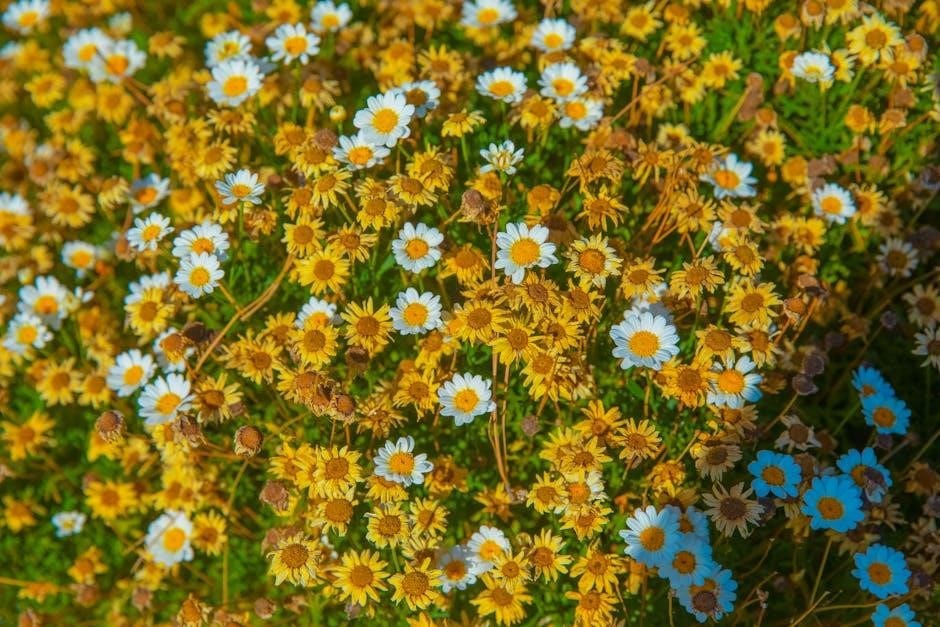
California Native Gardening: A Month-by-Month Guide
Embark on a year-long journey cultivating a thriving California native garden, balancing beauty with ecological responsibility, and adapting to seasonal shifts for optimal results.
January: Planning & Soil Preparation
January is the ideal time for envisioning your California native garden’s layout. Begin by assessing your space, noting sun exposure and existing soil conditions. Natives generally prefer unamended soils, so resist the urge to heavily fertilize! Focus instead on understanding your soil type – sandy, clay, or loam – as this will influence plant selection.
Start sketching garden designs, considering mature plant sizes and bloom times for year-round interest. Research native plants suited to your specific microclimate and desired aesthetic. January is also a good moment to order seeds or bare-root plants, ensuring availability for later planting. Prepare garden beds by removing existing weeds and debris, but avoid extensive digging which can disrupt beneficial soil organisms.
February: Seed Starting & Early Planting
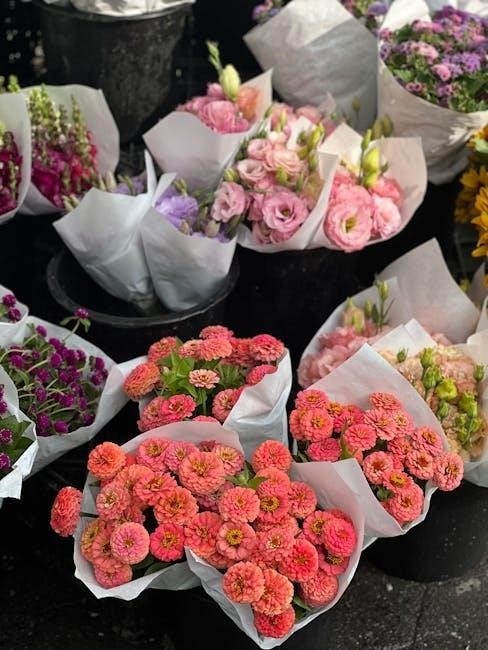
February marks the beginning of active gardening! Initiate seed starting indoors for slower-growing natives, providing a head start before warmer weather arrives. Utilize seed-starting mix and ensure adequate light. For direct sowing outdoors, wait until the soil has warmed slightly, typically later in the month.
Early-blooming natives like California poppies and lupines can be planted now. Remember, natives thrive in unamended soil, so avoid adding fertilizers. Focus on proper spacing to allow for mature growth. Monitor for early weed growth and remove them carefully. Consider companion planting with non-native shrubs, choosing compatible species with similar needs, but prioritize native plant establishment first.
March: Spring Bloomers & Garden Bed Prep
March bursts with color as spring bloomers awaken! Enjoy the vibrant displays of manzanita, ceanothus, and various wildflowers. This is an ideal time to assess your garden’s layout and prepare beds for further planting. Remove any remaining winter debris, but leave some leaf litter to benefit soil health.
Focus on weed control, as spring warmth encourages rapid growth. Avoid disturbing the soil excessively, as natives prefer minimal disturbance. Begin planning for summer dormancy; consider companion planting with non-natives to maintain visual interest when natives become less showy. Remember, California natives are often more subtle than their non-native counterparts.
April: Planting Natives & Weed Control
April is prime planting season for California natives! Focus on establishing plants before the intense summer heat arrives. Choose varieties suited to your specific microclimate and soil type. Continue diligent weed control – hand-pulling is preferred to avoid disturbing native root systems. Remember, natives thrive in unamended soil, so resist the urge to over-fertilize.
Consider the water needs of both native and any planned non-native additions, ensuring separation in planting zones. Observe your garden closely for signs of pests, but avoid harsh chemical treatments. Prioritize creating a balanced ecosystem that naturally supports beneficial insects; Planning now will minimize summer stress.
May: Irrigation Check & Pest Monitoring
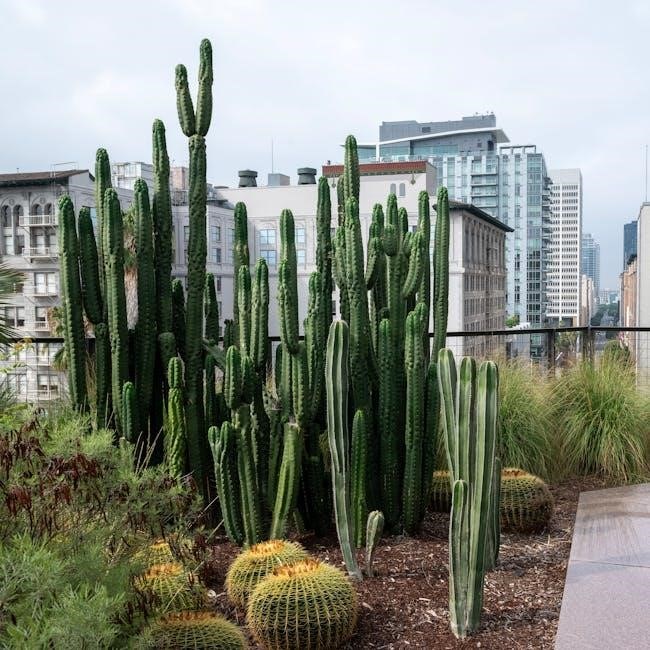
As temperatures rise, assess your irrigation system. Ensure efficient water delivery, focusing on deep, infrequent watering to encourage strong root development. Native plants, once established, require minimal supplemental irrigation, but monitoring is crucial. Begin regular pest checks, identifying potential issues early. Resist the urge to intervene unless absolutely necessary; a healthy ecosystem will naturally regulate many pests.
Remember the importance of separating native and non-native plant needs, particularly regarding water and nutrients. Observe for signs of heat stress, even in established plants. Document your observations to inform future gardening decisions and refine your approach.
June: Summer Care ⎯ Water Wise Strategies
June marks the onset of California’s dry season. Prioritize water conservation by focusing on deep, less frequent irrigation for natives. Understand that many California natives enter summer dormancy, appearing brittle and brown – this is natural! Avoid overwatering, which can be detrimental. Consider companion planting to address potential summer drabness, adding visual interest during dormancy.
Remember the 2024 heatwave and lessons learned regarding water bills and plant survival. Implement strategies to minimize water waste and maximize efficiency. Observe plants closely for signs of stress, but resist the urge to over-intervene; dormancy is a survival mechanism.
Understanding Summer Dormancy in California Natives
California native plants often exhibit summer dormancy as a natural adaptation to the state’s Mediterranean climate. This isn’t a sign of decline, but a survival strategy! Plants conserve energy during the hottest, driest months by reducing foliage and growth. Expect a shift from vibrant greens to muted browns and brittle textures.
Resist the urge to overwater during dormancy; it can harm the plant. Natives are generally more modest in appearance than non-natives, and dormancy is a key characteristic. Recognizing this cycle is crucial for successful native gardening, allowing you to appreciate their resilience and avoid unnecessary intervention.
Addressing Summer Drabness with Companion Planting
Combat the potential for summer “drabness” in your California native garden through thoughtful companion planting. While many natives enter dormancy, selecting non-native plants with contrasting summer blooms can maintain visual interest. Consider incorporating lilacs or irises, ensuring compatibility in terms of water and nutrient needs.
Strategic placement is key – separate natives requiring minimal intervention from those needing more support. This approach allows you to enjoy continuous color and texture throughout the warmer months, bridging the gap during native dormancy. It’s a beautiful balance, showcasing both the unique charm of California natives and the vibrancy of well-chosen companions.
July: Heat Stress Management
July demands vigilant heat stress monitoring for your California native plants. The record-breaking 2024 heatwave serves as a stark reminder of potential challenges. Observe plants closely for signs of distress – wilting, leaf scorch, or overall decline despite increased irrigation. Proactive measures are crucial to prevent irreversible damage.
Focus on deep watering techniques, encouraging robust root development. Avoid frequent, shallow watering, which can exacerbate stress. Evaluate your watering schedule and consider supplemental hydration for vulnerable species. Remember, even established natives can struggle during extreme heat, so consistent observation and responsive care are paramount for summer survival.
Recognizing Signs of Heat Stress in Native Plants
Early detection is key when managing heat stress in California natives. Look beyond simple wilting; observe leaf color changes – yellowing or browning, particularly at the edges – indicating distress. Scorched leaf tips are a clear sign of dehydration and heat damage. Stunted growth, even with adequate water, can also signal stress.
Pay attention to overall plant vigor. A normally robust plant appearing droopy or lackluster warrants investigation. Remember, some natives may exhibit dormancy during summer, but this differs from heat stress. If plants die despite increased irrigation, it’s a critical indicator. Consistent monitoring and understanding individual plant needs are vital for timely intervention.
Deep Watering Techniques for Summer Survival
Prioritize infrequent, deep watering over frequent, shallow applications. This encourages deep root growth, enhancing drought tolerance. Water slowly and thoroughly, allowing moisture to penetrate the soil to a depth of 12-18 inches. Use soaker hoses or drip irrigation for targeted delivery, minimizing water loss through evaporation.
Avoid overhead watering, which can promote fungal diseases. Check soil moisture levels before watering; a soil probe is helpful. Mulch generously around plants to retain moisture and regulate soil temperature. Adjust watering frequency based on plant species and microclimate conditions. Remember, even drought-tolerant natives need supplemental water during extreme heat.
August: Late Summer Blooms & Seed Collection
As summer wanes, many California natives offer a final burst of blooms, providing valuable resources for pollinators. Observe your garden for ripening seed heads – a crucial step in propagation and preserving genetic diversity. Collect seeds from fully mature plants on a dry day, ensuring they are properly dried before storage.
Proper seed storage involves cool, dark, and dry conditions. Label seeds clearly with the plant name and collection date. This is an excellent time to assess which plants thrived and which struggled during the heat, informing future planting decisions. Continue monitoring for any lingering signs of pest or disease.
September: Fall Planting & Garden Expansion
Fall offers ideal conditions for establishing new California native plants, allowing roots to develop before winter rains. Consider expanding your garden with species suited to autumn planting, benefiting from cooler temperatures and increased moisture. Ceanothus and many wildflowers thrive when planted now.
When selecting plants, prioritize those adapted to your specific microclimate. Prepare garden beds with minimal soil amendment, respecting the natives’ preference for unamended conditions. This is also a good time to divide existing perennials, increasing your stock and filling gaps. Remember separation is key when integrating non-natives.
Best Native Plants for Fall Planting
Several California natives excel when planted in fall, establishing strong root systems before winter. Ceanothus (California Lilac) varieties, like ‘Dark Star’ or ‘Concha’, flourish with autumn planting, offering beautiful blue blooms in spring. California poppies (Eschscholzia californica) readily self-seed and can be directly sown in fall for a vibrant spring display.
Consider planting native grasses like Festuca californica for erosion control and textural interest. Manzanitas (Arctostaphylos) also benefit from fall planting, though they may require more established root systems. Remember natives prefer unamended soils, so avoid excessive fertilization. Careful planning ensures a thriving, drought-tolerant garden.
October: Preparing for Winter
As autumn deepens, focus on winterizing your California native garden. This is a crucial time for protecting plants from potential frost and ensuring soil health. Begin by clearing fallen leaves, but consider leaving some as natural mulch. Assess irrigation systems, preparing for potential rainfall and adjusting timers accordingly.
October is also ideal for final pruning of summer-blooming natives, removing spent flowers and shaping plants. Prepare for winter rains by ensuring good drainage. Consider the benefits of mulching for winter protection, and evaluate pruning considerations for fall to promote healthy spring growth.
Mulching for Winter Protection
Applying mulch in October is vital for safeguarding California natives during winter. A generous layer—around 2-3 inches—insulates roots from freezing temperatures and helps retain crucial soil moisture. Opt for organic materials like shredded bark, wood chips, or fallen leaves, avoiding piling mulch directly against plant stems to prevent rot.
Mulch also suppresses weed growth and gradually enriches the soil as it decomposes. Consider the specific needs of each plant; some natives prefer lighter mulching than others. This practice mimics natural forest floor conditions, fostering a healthier, more resilient garden throughout the colder months, and preparing for spring growth.
Pruning Considerations for Fall
Fall pruning for California natives requires a delicate approach. Avoid heavy pruning, as many species bloom on old wood, and you risk removing next year’s flowers. Focus on removing dead or damaged branches and lightly shaping plants to maintain their form.
Delay significant pruning until late winter or early spring, just before new growth emerges. This timing minimizes stress and encourages vigorous growth. Remember that many natives have evolved to thrive with minimal intervention, so resist the urge to over-prune. Observe each plant’s natural habit before making any cuts, promoting a healthy and natural aesthetic.
November: Rain Preparation & Soil Health
November marks a crucial transition for California native gardens, anticipating the arrival of much-needed rainfall. Prepare your garden by clearing drainage pathways to prevent waterlogging, which can harm root systems. This is also an ideal time to assess and improve soil health, but remember a minimal approach is best.
Avoid heavy amending; natives thrive in less-rich soils. Focus on light top-dressing with compost if needed, and consider rainwater harvesting techniques to conserve water. Ensure mulch is properly applied to protect roots and retain moisture as the rainy season begins, setting the stage for robust spring growth.
Rainwater Harvesting Techniques
November is the perfect time to implement rainwater harvesting, maximizing water conservation for your California native garden. Simple techniques include strategically placed rain barrels beneath downspouts to collect runoff from roofs. Ensure barrels are screened to prevent mosquito breeding and overflow is directed away from foundations.
More elaborate systems involve connecting barrels to irrigation lines or creating swales – shallow, vegetated channels – to slow and direct water flow into the garden. This replenishes groundwater and reduces reliance on municipal water sources. Prioritize capturing the first flush of rain, as it contains accumulated debris.
Amending Soil – When and How (Minimal Approach)
California native plants generally thrive in unamended soils, but November presents an opportunity for minimal intervention if needed. Resist the urge to heavily fertilize! Focus on improving drainage in clay soils by incorporating small amounts of decomposed granite or gravel. For sandy soils, a light addition of compost can enhance water retention.
Avoid rich, organic amendments that encourage excessive growth and weaken the plants’ natural drought tolerance. A soil test can reveal specific deficiencies, guiding targeted amendments. Remember, natives evolved in nutrient-poor conditions; less is truly more. Prioritize building healthy soil biology over chemical inputs.
December: Garden Cleanup & Planning for Next Year
December marks a reflective pause in the native garden, a time for gentle cleanup and forward-thinking planning. Remove spent foliage, but leave seed heads for winter bird forage and potential self-seeding. This supports local ecosystems. Begin collecting seeds from your favorite plants, ensuring proper drying and storage for spring sowing – a cost-effective way to expand your garden.
Review the past year’s successes and challenges. Note which plants thrived, which struggled, and adjust your strategies accordingly. Research new native species to introduce next season. Sketch out garden expansions or redesigns, considering bloom times and pollinator attraction. Winter is the perfect time for thoughtful garden design!

Seed Saving and Storage
Preserving seeds from your California native plants is a rewarding practice, ensuring genetic continuity and reducing garden costs. Collect seeds when pods are dry and brittle, typically in late summer or fall. Thoroughly dry the seeds before storage to prevent mold. Store them in airtight containers – glass jars or envelopes work well – in a cool, dark, and dry location.
Label each container clearly with the plant name and date of collection. Some native seeds require stratification (cold, moist storage) to break dormancy. Research specific seed needs. Properly stored native seeds can remain viable for several years, offering a sustainable source for future plantings and garden expansion.
Reflecting on the Year’s Successes and Challenges
December offers a valuable opportunity to assess your California native garden’s performance throughout the year. Note which plants thrived, attracting pollinators and providing vibrant blooms. Identify any struggles – plants that didn’t establish well, succumbed to pests, or showed signs of heat stress. Consider if water-wise strategies were effective, especially given the 2024 heatwave’s lessons.
Document these observations for future planning. Were there compatibility issues when integrating non-native shrubs? Did companion planting address summer drabness? This reflection informs seed selections, planting locations, and overall garden design for the coming year, fostering continuous improvement and a more resilient landscape.
Integrating Natives with Non-Native Plants
Successfully blend native and non-native species by understanding their differing needs for water and nutrients, ensuring both thrive within a cohesive garden design.
Choosing Compatible Non-Native Shrubs
Selecting non-native shrubs requires careful consideration to ensure harmony with your California native plant palette. Prioritize those that share similar cultural requirements, particularly regarding water needs. Look for shrubs adapted to Mediterranean climates, mirroring California’s dry summers and mild, wet winters.
Consider lilacs and irises, classic garden favorites, but research specific varieties for drought tolerance. Avoid plants known for aggressive spreading or high nutrient demands, which can outcompete natives. Focus on shrubs that offer seasonal interest without overshadowing the subtle beauty of California natives.
Ultimately, the goal is to create a balanced ecosystem where both native and non-native plants can flourish, contributing to a diverse and resilient garden.
Separating Native and Non-Native Needs (Water & Nutrients)
Successful integration hinges on recognizing differing needs. California natives thrive in unamended soils and require minimal supplemental water once established, contrasting sharply with many non-natives. Fruits and vegetables, for example, demand richer soil and consistent hydration.
Physical separation through distinct garden zones is crucial. Group natives together and non-natives separately, allowing tailored watering and fertilization. Avoid overspray from irrigation systems reaching native areas. Resist the urge to amend native soil; they’ve evolved to utilize its natural composition.
This separation prevents nutrient imbalances and ensures each plant type receives optimal conditions for growth and survival, fostering a healthy, balanced garden ecosystem.
Supporting Pollinators
Nurture vital native bee populations by incorporating California natives, boosting crop yields and contributing to crucial research through University of California projects.
The Role of Native Bees in California Gardens
California’s native bees are essential pollinators, far exceeding the contributions of honeybees in many ecosystems. Unlike honeybees, which are not native, these specialized bees have co-evolved with our local flora, creating a uniquely effective pollination partnership. They exhibit diverse foraging behaviors, visiting a wider range of native plants and ensuring successful reproduction.
Supporting these native bees isn’t just about aesthetics; it’s about ecological health. Projects affiliated with the University of California demonstrate that integrating native bee support into agricultural practices significantly increases crop yields. Beyond agriculture, a thriving native bee population strengthens the resilience of our gardens and natural landscapes. Providing habitat – through native plant selection – is the most impactful action gardeners can take.
University of California Pollinator Projects
The University of California is at the forefront of research and implementation regarding pollinator health, particularly focusing on native bee populations. These projects actively assist farmers in integrating practices that support these crucial insects, recognizing their vital role in agricultural productivity and ecosystem stability.
Research consistently demonstrates a direct correlation between native pollinator presence and increased crop yields, highlighting the economic benefits of conservation efforts. UC initiatives extend beyond agriculture, offering valuable resources and guidance to home gardeners seeking to create pollinator-friendly habitats. These projects emphasize the importance of native plant selection and habitat restoration, fostering a deeper understanding of pollinator ecology and promoting sustainable gardening practices throughout California.
Addressing Water Conservation
California natives excel in drought tolerance, requiring minimal supplemental water once established, offering a sustainable solution amidst increasing concerns about water scarcity and climate change.
Native Plants and Drought Tolerance
California’s native flora is uniquely adapted to the state’s Mediterranean climate, characterized by long, dry summers and mild, wet winters. This inherent adaptation translates to exceptional drought tolerance, significantly reducing the need for irrigation once plants are established. Unlike many non-native ornamentals demanding frequent watering, natives thrive on minimal supplemental moisture.
Their deep root systems, evolved over millennia, access water sources unavailable to shallower-rooted species. This resilience is particularly crucial given California’s ongoing water challenges and the lessons learned from the record-breaking heat of 2024. Choosing native plants isn’t just aesthetically pleasing; it’s a responsible water conservation strategy, contributing to a more sustainable landscape.
Lessons from the 2024 Heatwave
The summer of 2024 served as a stark reminder of California’s vulnerability to extreme heat events. Many gardeners struggled to maintain adequate irrigation, witnessing skyrocketing water bills and, tragically, plant losses despite increased efforts. This experience highlighted the critical importance of proactive heat stress management in our gardens.
The heatwave underscored the benefits of drought-tolerant native plants, but even they required careful monitoring. Understanding the signs of heat stress – wilting, leaf scorch, and reduced growth – is paramount. Implementing deep watering techniques, focusing on infrequent but thorough saturation, proved vital for survival. The 2024 heatwave emphasized the need for resilient landscapes prepared for future climate challenges.